

photo by ajay_suresh
In a previous post, I wrote about building my support team early during my second pregnancy. I talked about doulas, night nurses, and the support network I wished I had the first time around. Planning my return to work is another part of that same preparation. Specifically, returning to work while pumping.
This post is about how I’m planning a lactation room setup in our office so I can pump during the workday when I return later this year. I’m hoping this office setup works smoothly, but I’m also leaving room to adjust things once I return and actually start using the space. I’m not an expert on what will work for every pumping parent. This is simply what I’m prioritizing for myself based on my past experience.
A Quick Note on Privilege
Before getting into the logistics, I want to acknowledge that I know I’m fortunate to even be having this conversation. Many parents in the United States return to work far earlier than they want to because they don’t have paid leave or job protections. Some workplaces do not have private spaces or offer time to pump. And some parents wish they could but they can’t produce milk for their babies. This post does not solve those larger challenges.
What I can share is what I’m planning for my own return to work. Pumping is a huge undertaking. It takes time, energy, and planning, and it adds to the mental load of parenting and working. Still, it is something that matters a lot to me, and I know it is also a privilege to be able to do it.
Workplace Support Makes a Difference
Atomic Object has an official policy supporting breastfeeding and pumping at work. The policy states that breastfeeding employees should have the flexibility to pump during the workday and that offices will provide a private room and refrigerator for milk storage. The policy encourages employees to reach out to their office coordinator if additional equipment would help make the space more usable. Something as simple as a different chair or a small fan can make a big difference. Knowing this support exists made it much easier for me to plan the logistics of returning to work with a dedicated pumping space.
I’m Not Starting From Scratch
This is my second time pumping while working. With my first child, I pumped for two years while balancing work. After that much time connected to a pump, I know what works for me, what makes a session easier, and what small details can make the difference between a smooth day and a frustrating one.
When I started planning my office pumping setup, I already had a pretty good idea of what I wanted. I also did not have to start from scratch with space planning. Another Atomic office had already successfully set up a lactation room for pumping parents and shared their furniture sourcing list with me. Between my own experience and another office’s setup, I had a strong starting point.
Start With What Your Office Already Has
Fortunately, our office already has a strong foundation for a lactation room. There is a small private room with a locking door and no windows on the door. The room is located right between the kitchen and the bathroom, which makes it easy to wash hands and clean pump parts. This room is generally used for therapy appointments and taking private calls. The room already had:
- a mini fridge
- a white noise machine for sound buffering
- an occupied/vacant sign on the door
- ability to reserve on Google Calendar
- lamps, artwork, and a rug that make the room feel calm and comfortable
These details matter more than you might think. A space that feels welcoming and private makes a big difference when you spend up to 30 minutes in there, multiple times a day.
Designing a Pumping Setup That Works
Once the room itself was sorted out, I started thinking about furniture and layout. My goal is flexibility. Sometimes I may pump during a break. Other times, I might pump during a Zoom meeting. To make that possible, the room needs to support both comfort and work.
The Chair
The most important item in the room is the chair. Comfort matters, but I also wanted a material that is easy to clean because spills happen. When you are pumping, you will absolutely cry over spilled milk. I chose a reclining faux leather chair that can be wiped down easily. It is comfortable for pumping sessions and also works well for anyone else using the space.
Bringing the Workspace to Me
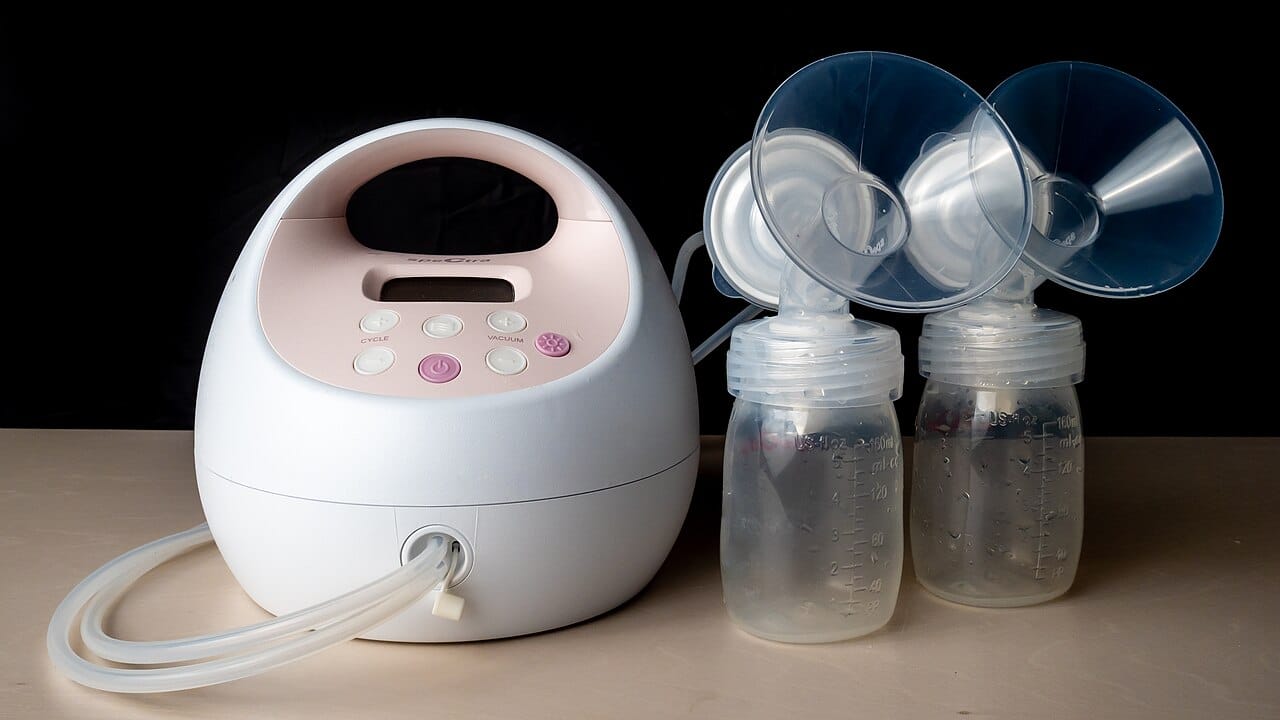
Once you are hooked up to a pump, you are essentially stationary. Instead of sitting at a desk, I decided to bring the desk to the chair. I purchased a rolling bedside table that can slide under the chair and act as a small desk surface. This will let me put my laptop directly in front of me if I want to work or join a meeting. I also added a rolling utility cart to hold the pump, bottles, and parts during a session. The cart keeps everything organized and within reach.
Airflow and Noise
The room does not have its own HVAC duct, so I added a small tower fan with a remote control. This helps with airflow, body temperature changes, and adds a little background noise that helps buffer sound outside the room. The remote control matters more than you might expect. Once you are plugged into the pump, walking across the room to adjust a fan is not realistic.
Small Supplies That Help
I plan to keep the following supplies in the room to make it easy to clean up spills and keep the room tidy for the next person:
- sanitizing wipes
- paper towels
- hand sanitizer
- tissues
Power and Comfort
Because I might use a pump, laptop, and phone simultaneously, I added an extension cord so everything can plug in easily. I also added a few pillows to make positioning more comfortable and adjustable. The room already has lamps, calming paint colors, and artwork, so there is no need to decorate or add lighting.
Test Your Setup
It is important to test your setup before you actually need it. While putting the furniture together, I noticed the rolling bedside table was just slightly too short to clear the bottom of the chair. Instead of replacing the chair or desk, I ordered replacement chair legs that are about an inch taller. That small adjustment solved the problem and cost much less than replacing the furniture. Testing everything early helps catch small issues before the room is actually needed.
What I Would Recommend if Your Office Is Starting From Zero
If your workplace does not already have a lactation space, the good news is that creating one usually does not require a big renovation. Here are the things I would prioritize.
- Start with a private room that has a door that closes and locks. Pick a room that is not a restroom.
- Make sure power and refrigeration are available so pumps can run and milk can be stored safely.
- Choose a comfortable chair that is supportive and easy to clean.
- Provide a small table or rolling surface for pump equipment and laptops.
- Stock basic cleaning supplies such as sanitizing wipes and paper towels.
- If possible, design the space so for use by others for therapy calls, private meetings, or quiet breaks.
Small Changes Can Make a Big Difference
Setting up this lactation space did not require a renovation or a complicated process. It mostly involved thoughtful planning and choosing a few pieces of furniture that make the room functional. For the person using the space, though, the impact is huge. Returning to work after maternity leave already comes with a lot of mental overhead. Childcare logistics, sleep deprivation, and physical recovery are just the beginning. Pumping adds another layer of planning and energy on top.
I know from experience that it takes real commitment to keep going for months or years. I also know how fortunate I am to be able to provide breast milk for my baby and to work somewhere that supports pumping during the workday. As a Delivery Lead, I spend a lot of time thinking about how to remove friction so teams can do their best work. Planning this space is one small way to remove friction from returning to work after having a baby.